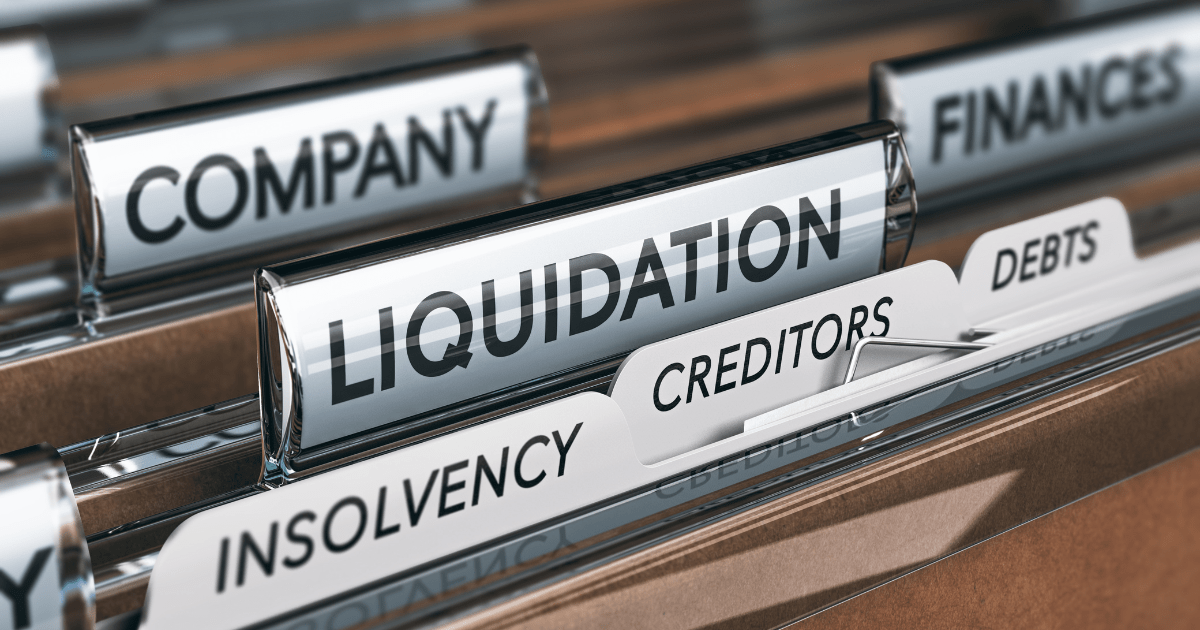
For many business owners, the word “liquidation” carries a heavy weight. It is often viewed as a sign of failure or the end of a dream. However, in the complex South African economic landscape, liquidation is frequently the most responsible—and legally necessary—action
Read More

When a business faces insurmountable debt, the “unknown” is often more stressful than the debt itself. Many directors hesitate to liquidate simply because they don’t know what happens once the process begins.
The South African economic climate in 2026 has presented unprecedented challenges for local businesses. From the April tariff hikes in electricity and fuel to shifting market demands, many directors find themselves at a critical crossroads: Should we fight to save the company through Business Rescue, or is it time for an orderly Liquidation?
In finance, company liquidation can be understood as “the process of bringing a business to an end and distributing its assets to claimants.” Liquidation usually occurs when a company can no longer meet its financial obligations “when they are due” and is subsequently rendered
Read More
In the economic world, liquidation refers to “the process of bringing a business to an end and distributing its assets to claimants.” However, while liquidation has long been connected to businesses ending, the future is leaning towards more progressive approaches, including business rescue plans. More
Read More
Liquidation is a legal process whereby a business is closed and the assets are sold to pay back creditors. Liquidation generally occurs when a company faces financial challenges and is no longer able to meet their financial obligations. While the process might seem
Read More